
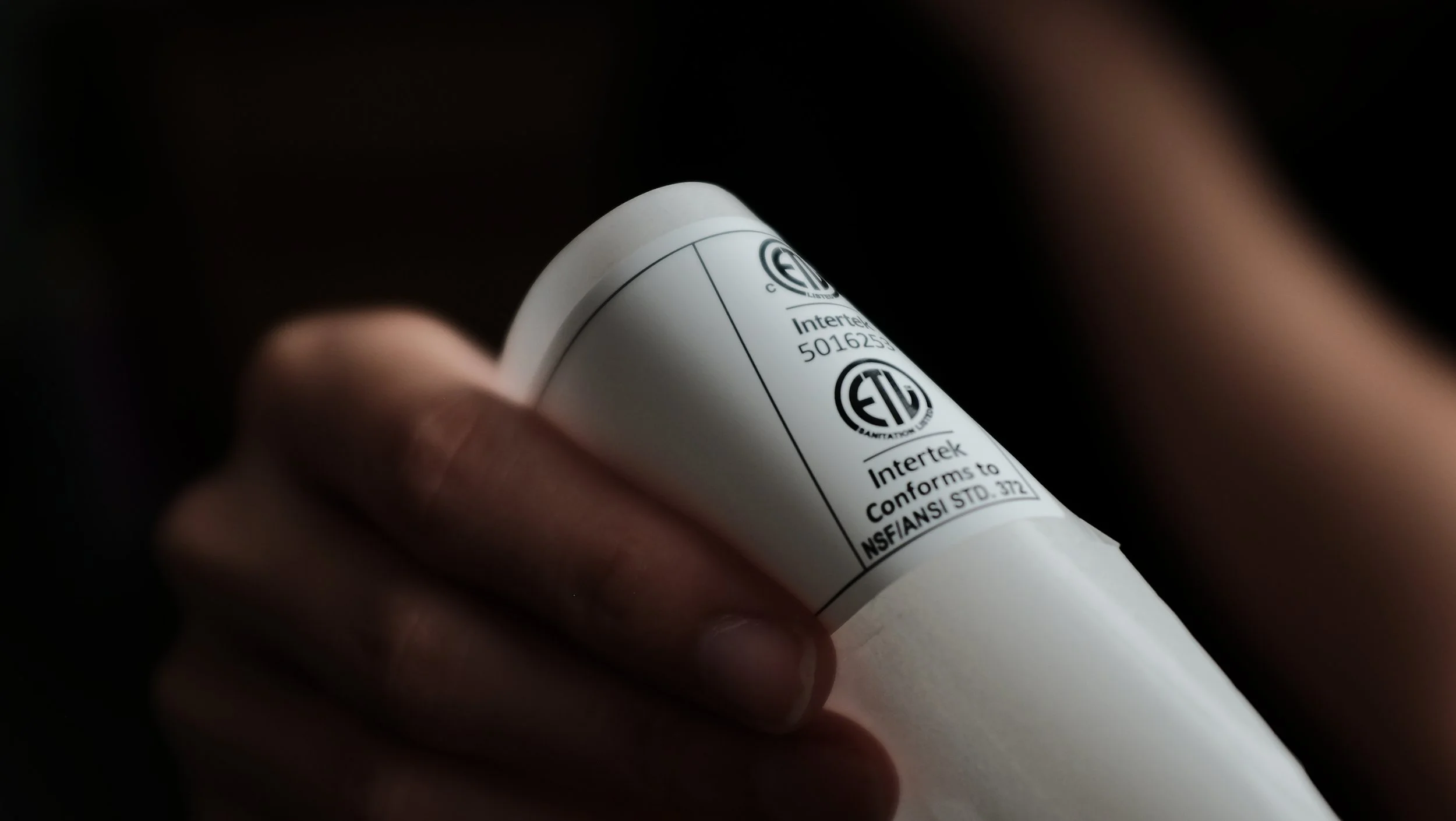
For a few years, I worked in the space between creative vision and physical production at a printing factory. My role - a hybrid of Sales Representative and Project Manager - was essentially that of a translator. I connected the dots between what clients imagined and what machines could actually produce.
When a client came to me wanting their packaging to “feel premium” or their logo to “pop,” my job was to turn those abstract goals into concrete, achievable plans. Could we use foil stamping for luxury? Would a debossed texture create the right tactile experience? How would UV spot gloss work within their budget?
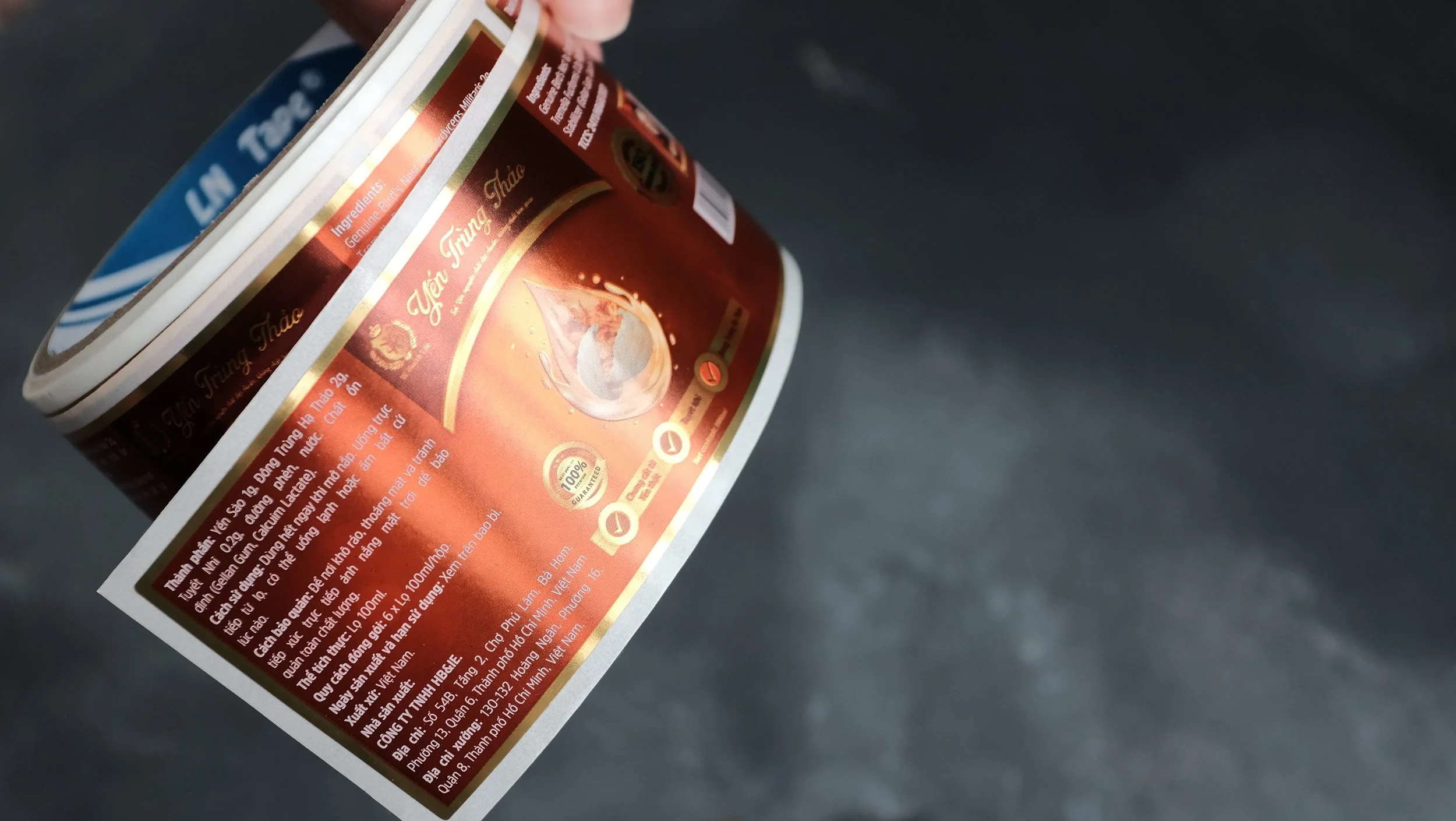
The gap between digital and physical isn't a mystery; it's a process.
The Three-Step Translation
My workflow followed a clear, three-part rhythm
1. The Creative Consult
This was about exploring possibilities. I’d guide clients through techniques like embossing, foil stamping, and specialty finishes, always linking creative choices to practical outcomes and cost.
2. The Factory Reality Check
Here, ideas met execution. I’d take concepts to the production team to align on:
Materials (durable PVC vs. rigid PET for appliance toppers)
Print methods (vibrant screen printing vs. high-volume offset)
Finishing (die-cutting, lamination, etc.)
Timelines and budgets
This step transformed beautiful concepts into actionable production plans.
3. The Precision Phase
This is where digital designs become physical truth. Because color behaves differently on screen, on paper, and under various lights, that’s why physical proofs are so important. There’s no substitute for holding a sample in your hands before full production runs.
I also learned to identify friction points in the production pipeline - from pre-press setup to finishing touches like UV lamination - helping streamline processes and prevent costly errors before they happened.
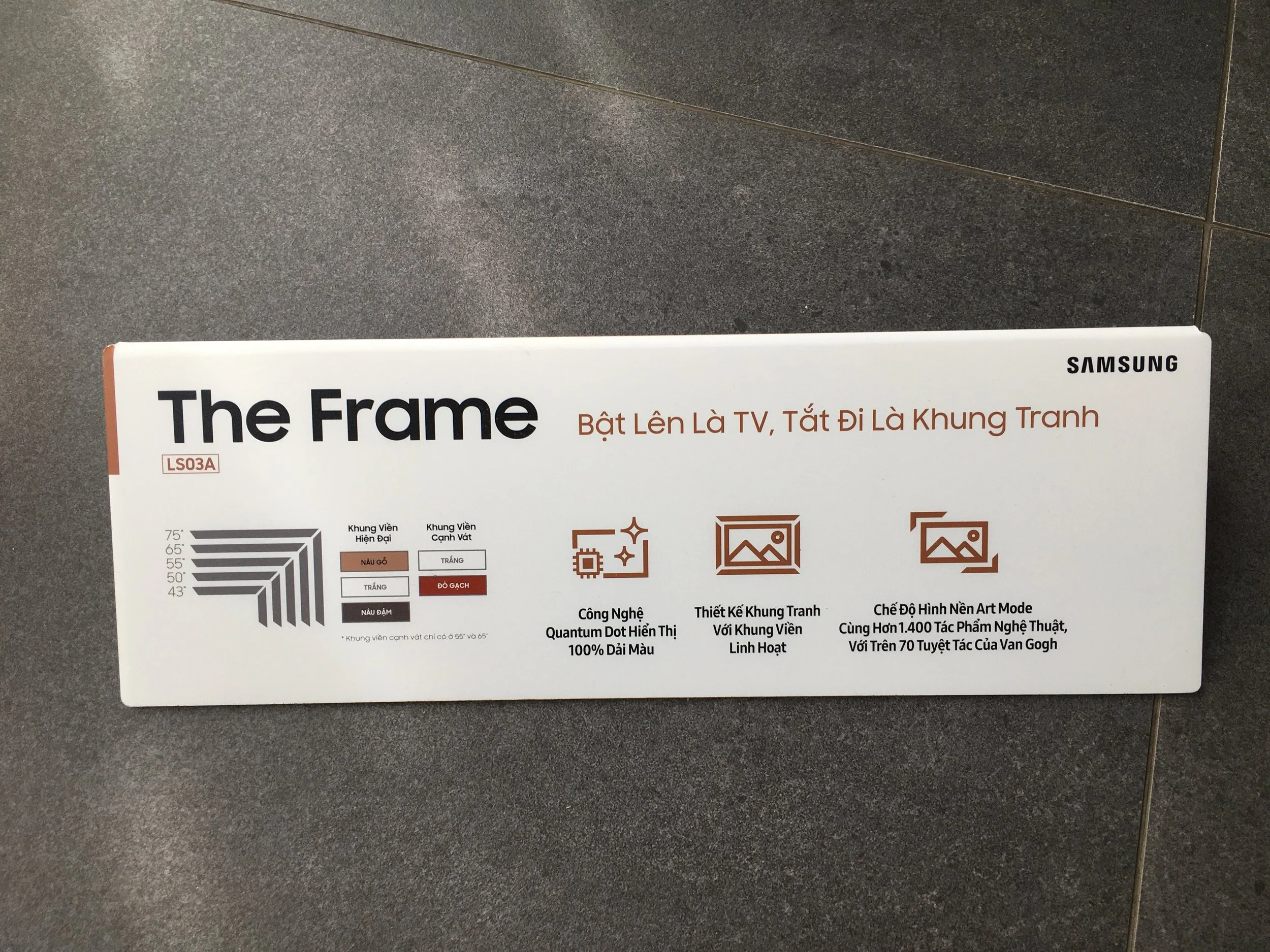
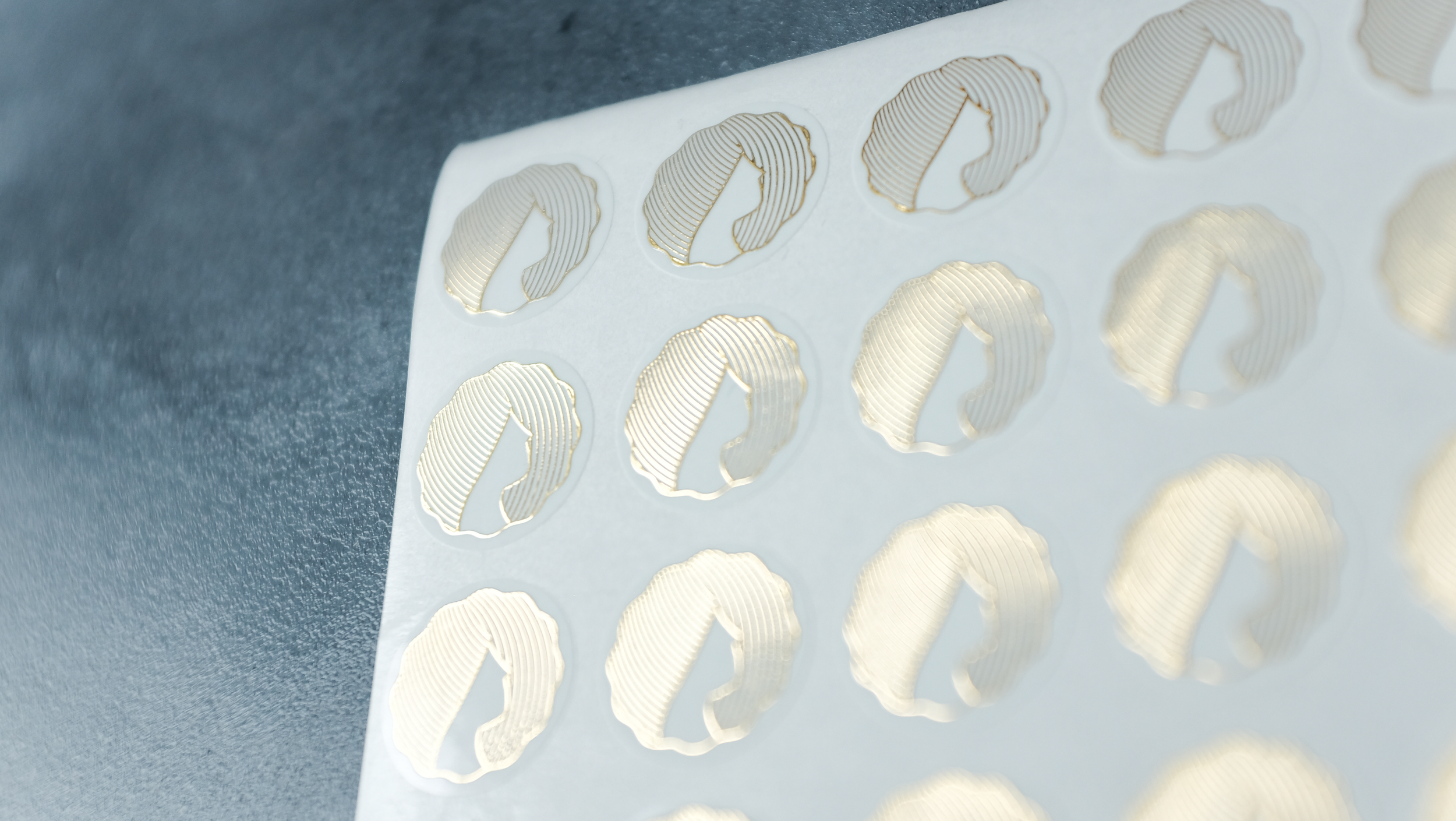
The oil in the machine: clear communication for a frictionless workflow.
Hands-On Perspective
What truly changed my approach was stepping onto the factory floor. Learning to operate UV printers and laser cutters gave me an intimate understanding of material behaviors and machine capabilities. I stopped seeing designs as just visual concepts and started seeing them as sequences of physical operations.
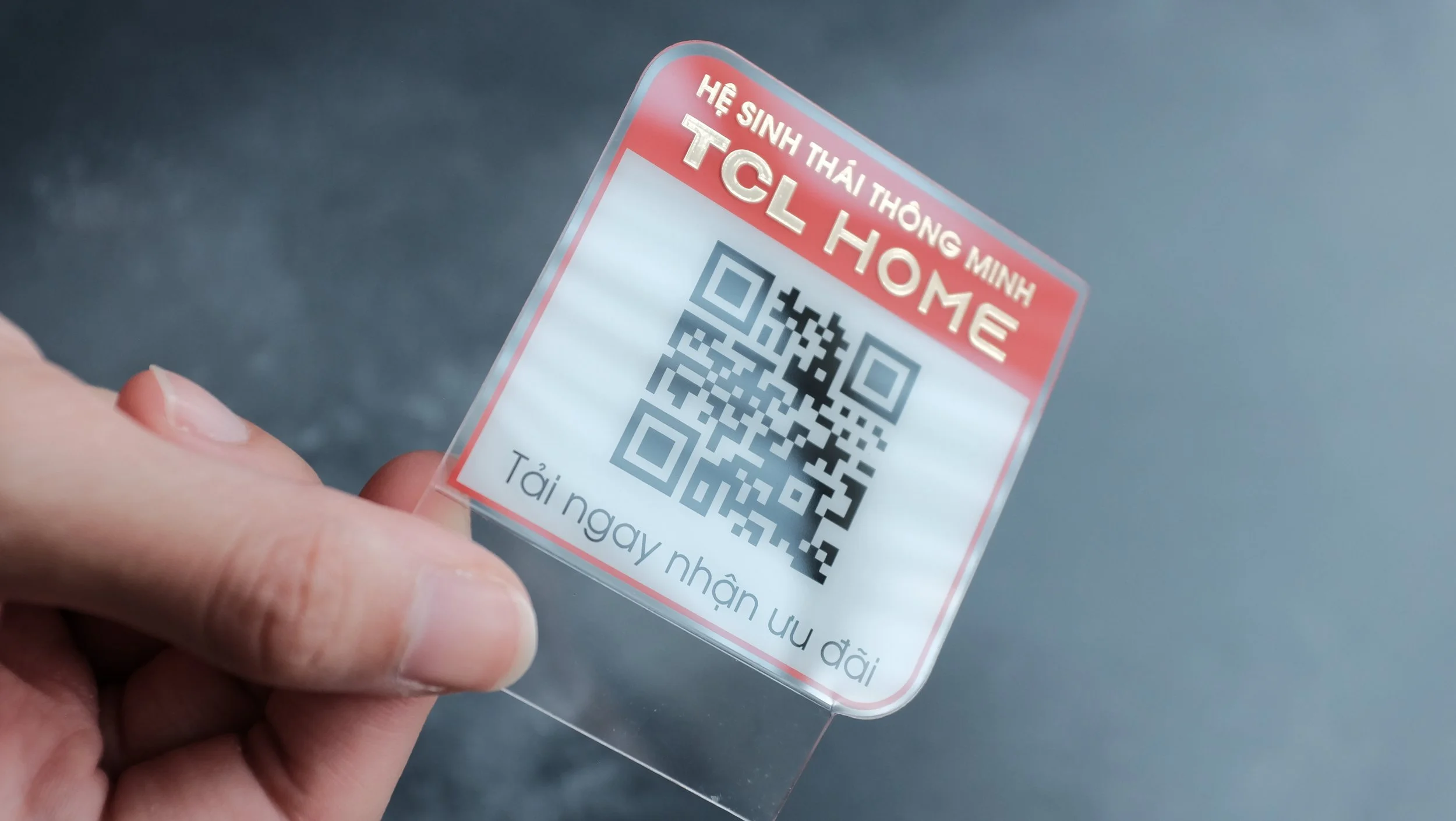
In the world of physical products, a design on a screen is a proposal, not the final destination.
The Core Insight
The most valuable lesson I learned was designing for manufacturability. It’s the difference between creating something that looks good on screen and designing something that can be produced efficiently, consistently, and beautifully in the real world.
For print and physical products, the digital file is just the starting point. The real product is what someone holds in their hands. Success means that object - through thoughtful material choices, appropriate printing techniques, and careful finishing - faithfully delivers the experience you intended.
Being that bridge between imagination and production taught me that great design isn't just about aesthetics. It's about understanding the entire journey from concept to creation, and ensuring every step supports the final vision.